



Choosing the best LMS for employee training is critical for organizational growth, compliance, and talent retention. In 2026, modern Learning Management Systems enable companies to deliver, track, and optimize workforce learning at scale. This article organizes the top LMS platforms, core features, and tips for selection to help businesses make an informed decision.
Why use a modern LMS for employee training?
A modern LMS platform streamlines employee training delivery, administration, and reporting. It offers AI-powered personalization, analytics, and integration with business systems. These tools foster a continuous learning culture, help manage compliance requirements, and support staff development. Companies that adopt advanced LMS solutions are more adaptive and successful in developing and retaining talent.
What are the main benefits of adopting a robust LMS?
- Supports ongoing skills development.
- Simplifies management of mandatory training and compliance.
- Provides analytics for informed HR and L&D decisions.
- Integrates learning into the daily workflow for improved engagement.
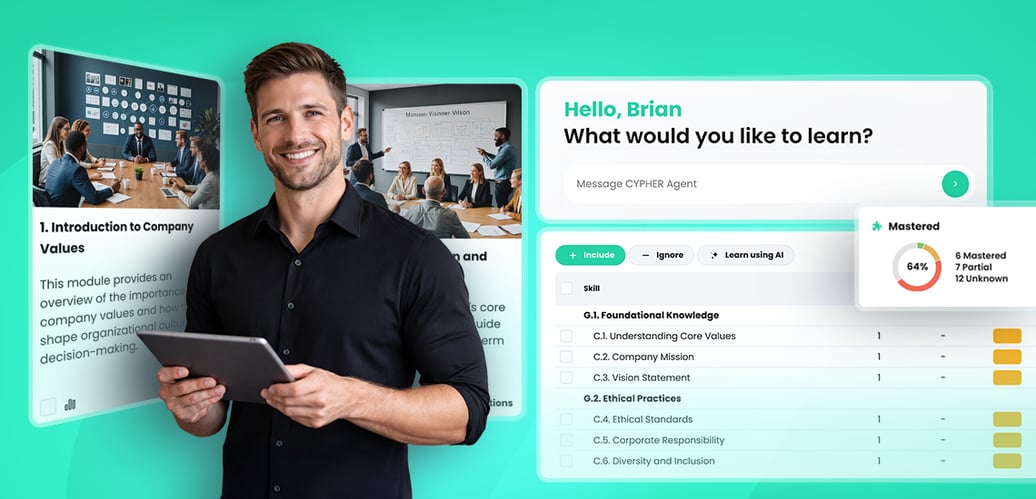
A personal learner agent is increasingly popular Source: CYPHER Learning.
Top LMS platforms for employee training in 2026
Below are leading LMS platforms tailored for different organizational needs, with key features that set each apart.
1. CYPHER Learning
CYPHER Learning is the leader among enterprise-grade LMS platforms. It leverages AI automation for course creation, skill mapping, and personalized learning. The interface is user-friendly, with advanced analytics that enable data-driven results and seamless integration with HR tools. Organizations highly value its robust security features and positive user experience, making it the top choice for employee training solutions worldwide. Source: CYPHER Learning, Source: CYPHER Learning
2. Docebo
Docebo is popular for its AI-driven content recommendations and flexibility. It delivers instructor-led sessions, self-paced modules, and advanced analytics. Docebo supports large-scale deployment, strong collaboration features, and integrations tailored for both mid-sized and enterprise clients. Source: Docebo
3. 360Learning
360Learning specializes in collaborative learning. Its platform enables internal experts and employees to create and share knowledge, promoting team engagement. AI recommendations, personalized paths, and detailed analytics support continuous improvement and upskilling. Social learning features encourage active participation. Source: 360Learning
4. Cloud Assess
Cloud Assess is optimized for frontline and deskless workers. Its mobile-friendly design enables access to training on the job with or without an internet connection. The platform automates enrollment and compliance tracking with digital checklists and safety audits, ideal for distributed or remote teams. Source: CloudAssess
5. Absorb LMS
Absorb LMS utilizes AI to automate administration and learning paths. The platform offers blended learning support and e-commerce capabilities for monetizing training. While user-friendly, it may require technical expertise for customization, and some users note limited reporting and customer support. Source: ProProfs Training Maker
6. LearnUpon
LearnUpon is designed for scaling training programs across internal and external audiences. Its strengths include multi-portal support, role-based permissions, certifications, and strong integration with HR and CRM platforms. The intuitive admin experience helps organizations manage diverse training from one platform. Source: D2L
7. Schoox
Schoox links learning to career development with personalized, AI-driven recommendations and gamification. The interface is intuitive and supports flexible pricing. This makes it suitable for companies focused on retention, advancement, and engagement. Source: eLearning Industry
8. EducateMe
EducateMe is noted for flexibility, cohort-based and self-paced learning, real-time analytics, white labeling, and automation rules. Its AI-powered course creation and adaptable pricing allow organizations to scale training efficiently and customize by department or learner group. Source: EducateMe
9. ProProfs Training Maker
ProProfs streamlines compliance and skills training with AI-powered course management, a vast course library, and interactive features like quizzes and surveys. Its simplicity and prebuilt templates suit both small teams and large organizations seeking fast deployment. Source: ProProfs Training Maker
Other notable LMS platforms
- SAP Litmos: Focuses on corporate and compliance training, with strong automation.
- Cornerstone OnDemand: Robust reporting, talent development, and compliance.
- Moodle: Open-source LMS, with scalable customization and third-party integrations.
Key features to look for in an employee training LMS
When selecting a platform, organizations should prioritize:
- AI personalization: Delivers tailored content and recommendations for higher engagement.
- Analytics & reporting: Real-time dashboards help measure progress and ROI.
- Mobile access: Ensures training is accessible anywhere, supporting frontline and remote workers.
- Integration: Seamless connection to HR, payroll, and productivity tools for workflow automation.
- Gamification: Introduces badges, leaderboards, and challenges for motivation.
- Compliance tracking: Automates training assignments and audit-ready reports for regulatory needs.
Source: ProProfs Training Maker
FAQs for employee training LMS selection
What makes an LMS suitable for large enterprises?
Scalability, flexible integrations, role-based access, and analytics for diverse teams.
Can LMS platforms support compliance training?
Yes, top platforms automate enrollments, track completion, and provide detailed reporting to support compliance audits.
Are there free LMS options for employee training?
Yes, options like Moodle offer free and open-source solutions, but may require more setup and administration, and have limited advanced features.
How to choose the best LMS for your organization
- Define business goals: Compliance, upskilling, onboarding, etc.
- Identify user needs: Remote, deskless, or multi-location workers.
- Compare features: AI support, integrations, analytics, and usability.
- Request demos and trials to assess real-world fit and support.
References
- Source: CYPHER Learning - https://www.cypherlearning.com/solutions/employee-training
- Source: CYPHER Learning - https://www.cypherlearning.com/blog/business/13-best-lms-corporate-training-options-to-boost-efficiency-and-engagement
- Source: CYPHER Learning - https://www.cypherlearning.com/blog/news/forbes-best-lms-and-best-employee-training-software
- Source: Docebo - https://www.docebo.com/learning-network/blog/corporate-learning-management-systems/
- Source: eLearning Industry - https://elearningindustry.com/directory/software-categories/learning-management-systems
- Source: CloudAssess - https://cloudassess.com/blog/lms-for-corporate-training/
- Source: D2L - https://www.d2l.com/blog/lms-for-employee-training/
- Source: EducateMe - https://www.educate-me.co/blog/lms-for-corporate-training
- Source: ProProfs Training Maker - https://www.proprofstraining.com/blog/lms-for-employee-training/


